



Shortly after arriving in Beijing for the first time in September 1986, I went to visit the Great Wall. The iconic structure often brings to mind the famous saying, “He who has not climbed the Great Wall is not a true hero.” The phrase comes from a poem written by Chairman Mao Zedong in October 1935, during the most critical stage of the Long March.
The Long March—the strategic redeployment by the Chinese Workers’ and Peasants’ Red Army between 1934 and 1936, under the leadership of the Communist Party of China (CPC)—stretched over 12,000 km.
Beginning in Jiangxi Province after the CPC forces broke through the Chiang Kai-shek-led Nationalist Party (Kuomintang) encirclement, the main Red Army column, around 80,000 troops, trekked across some of China’s harshest terrain. By the time the First Front Army reached north Shaanxi Province in 1935, only about 8,000 remained. Yet their survival ensured the continuity of the Communist movement in China and ultimately shaped the path that led to the founding of the People’s Republic of China in 1949.
Military historians have often compared Mao’s strategic thinking with that of classical and modern theorists. Sun Tzu, the ancient strategist who lived in the sixth and fifth centuries B.C. and author of The Art of War, remains the most influential figure in Eastern strategic thought.
During the Long March, Mao masterfully integrated the ancient stratagems of Sun Tzu with the bitter lessons of 19th-century imperialist incursions, 20th-century geopolitical realities and, above all, the exigencies of local terrain and populations. The campaign thus endures as an intrinsically Chinese masterstroke. The campaign was first immortalized internationally in the book Red Star Over China by Edgar Snow, published in London in 1937. Snow’s reporting introduced foreign readers to the personalities, organization and aspirations of the Chinese Communist movement.
Military analysts later recognized the Long March as more than a relocation. The Long March was lauded by the eminent British military theorist Basil Liddell Hart for its brilliant execution of “indirect action,” actually a philosophical concept of Sun Tzu, emphasizing mobility, flexibility and psychological advantage. Decades later, American journalist Harrison Salisbury retraced large portions of the route for his book The Long March: The Untold Story, vividly documenting the physical and human scale of the journey.
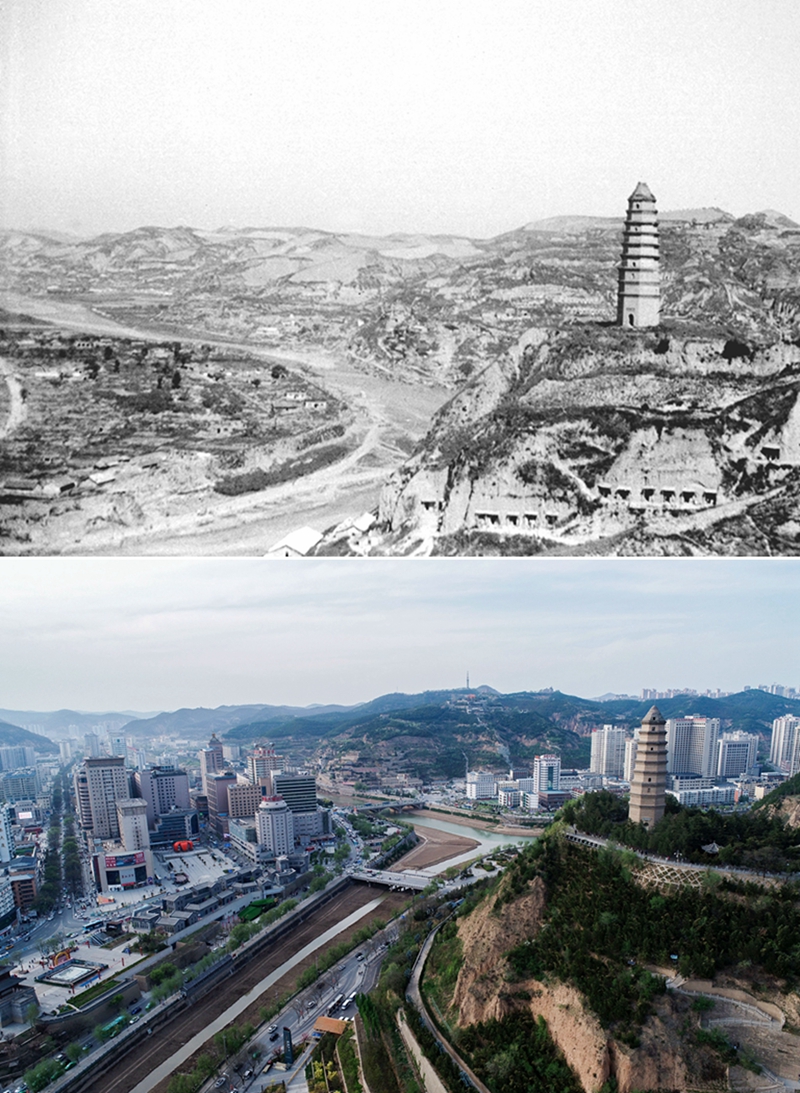
The legacy of the Long March also gave rise to what became known as the Yan’an Spirit. In 1937, the CPC moved its headquarters to the cave dwellings of Yan’an in Shaanxi. From this unlikely base, the Party rebuilt its forces, developed its political culture, and continued both the struggle against the Kuomintang forces and the resistance against Japanese invasion. Yan’an became the strategic and ideological cradle from which the final push toward national victory eventually emerged.
How might this legacy be interpreted today? Part of the answer lies in the enduring philosophical influence of The Art of War. Despite its title, the work emphasizes knowledge, planning and foresight rather than confrontation. At its core is the idea that wise strategy can transform rivalry into a different kind of interaction—one that avoids unnecessary conflict and where meticulous planning, strategic insight and wise, original foresight are intertwined.
But to what end? Primarily, to foster a win-win outcome by contributing to social justice, safeguarding the international system and saving the planet from destruction. China is moving beyond bloc politics to address global challenges.
More than 90 years after Mao wrote of reaching the Great Wall as a symbol of determination, humanity now faces its own collective tests, from climate pressures to technological disruption and geopolitical tension. In confronting them, the lesson of the Long March may not lie in its military dimension, but in its deeper message: perseverance, strategic patience and the belief that even the most daunting journeys can reshape history. BR



