|
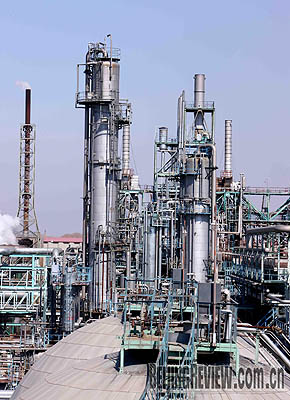
NORTHERN OIL: The photo shows the Daqing Oil Field in north China's Heilongjiang Province on March 23. The state-owned energy enterprise is making efforts to decrease its energy consumption during the oil-production process
Despite proposals by some foreign government officials and members of the International Energy Agency (IEA), China is not about to make a decision to join the international organization for energy cooperation, but will continue to work closely with it.
U.S. Assistant Secretary of State Daniel Sullivan called on China to join the IEA at the China-U.S. Energy Forum on May 22 in Beijing. He said that China's participation could strengthen the role of the IEA in responding to mounting oil prices. He said he believes that if China considers joining the organization, it would highlight the Chinese Government's dedication to global energy security.
Director of the Program on Energy and Sustainable Development at Stanford University's Freeman Spogli Institute for International Studies, David Victor, said it would be beneficial for China to join the IEA, because it would help the country integrate its oil policy with other oil-consuming countries. Its membership could be part of a larger effort to get people in the West, the United States in particular, to understand China's oil strategy, which is to ensure energy safety, he said.
But not all observers and experts agree. Associate Dean of the Business Administration School at China University of Petroleum, Dong Xiucheng, said China would not join the IEA, because it is not a net oil-consuming country and does not conform to the IEA's policies. But in view of the country's incremental demand for energy, it would be an irreversible trend for China to have closer cooperation and communication with the IEA and other energy groups, he said.
A choice
The Organization of Economic Cooperation and Development (OECD) founded the IEA in 1974 in the wake of the first global oil crisis. By setting up the agency, it hoped to counteract the influence exerted by the Organization of Petroleum Exporting Countries (OPEC), which was founded in 1963.
|