|
Bringing to Light
Sun Chunlong, Jian Guangzhou and Dai Xiaojun, three journalists who exposed China's worst scandals in 2008, have been awarded the title of "Public Interest Activist of the Year" by Guangzhou-based Nanfeng Chuang, an influential bimonthly magazine. Launched in 2003, the award recognizes individuals and organizations who make great contributions to social progress.
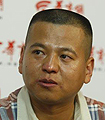
Sun , 32, is an investigative reporter at Beijing-based Oriental Outlook weekly.
On August 1, 2008, a landslide occurred at a local iron mine in Loufan County, Shanxi Province. Initial reports said it was a natural disaster and put the death toll at 11.
Sun's investigation, however, found that at least 41 people were killed in the accident that was mainly caused by human error. He detailed his findings in a report on his magazine at the end of August. However, there was no response from local officials.
Sun posted an open letter to Shanxi Governor Wang Jun on September 15, calling for a thorough probe into the cover-up of the Loufan landslide. The letter eventually drew attention from state leaders. An investigation team sent by the Central Government announced on October 26 that the landslide killed 44 people and injured one. Investigators also blamed mine authorities for their failure to observe state regulations on production safety and the local government for ineffective supervision. Six officials have been arrested.

Jian , 35, works at Shanghai-based Oriental Morning Post newspaper.
Though he was not the first journalist to cover the toxic melamine-contained baby formula that killed at least six babies and sickened 290,000 others throughout the country, Jian was the first to name state-owned Sanlu Group Co. as producer of the contaminated milk powder. By doing so, he broke a longstanding tradition in China's press industry to not mention targets of critical reports by names, especially when famous local brands are concerned.
Jian's report, which was published on his newspaper on September 11, 2008, has led to a complete overhaul of China's dairy industry.
Sanlu, a 50-year-old company that used to control 18 percent of China's baby formula market, is near bankrupt, while its former board chairwoman has been arrested. Another 21 dairy products that were confirmed with high levels of melamine have also posted huge losses in financial and popularity terms.
Several high-ranking officials thought to be accountable have resigned or been removed from their posts.
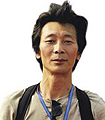
Dai , 42, is a photographer with the Shanxi Bureau of Beijing-based West Times newspaper.
The exposure of press corruption made Dai a household name throughout China after September 27, 2008, when he posted several pictures on his blog showing managers of a coalmine in Huozhou City, Shanxi Province, bribing reporters who were supposed to help them conceal a deadly safety accident on September 20.
In order to take the pictures, Dai risked his life to visit the scene on September 25 after learning about the cover-up from a friend.
Despite having received several phone calls threatening him and his family, Dai said he has done what he should to clean up the media industry in which he has worked for 20 years.
The General Administration of Press and Publication announced on November 27 that four journalists, 26 media workers and 28 bogus reporters were paid 319,300 yuan ($47,000) in the story that Dai broke. The four reporters have been sacked or had their press credentials revoked. |