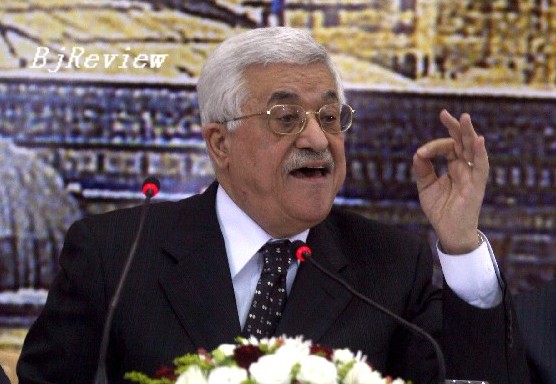
"I pray to Allah that at 11 p.m. tonight a complete and general truce would start in order to devote our time to our most important jobs and look into our affairs and our future," pledged Mahmoud Abbas, Palestinian Authority President, after his Fatah party reached a ceasefire agreement with the ruling Hamas movement on December 19.
The tensions over the restless Gaza Strip intensified after Abbas' December 16 call to dismiss parliament and hold an early election to "break the deadlock" between the two major Palestinian groups. This was motivated by the need to "gain more international aid by lifting financial sanctions" imposed by the Western world after Hamas took power in March, according to the Palestinian Authority head.
Abbas' election proposal hat the time been swiftly rejected by the Hamas-led government, which blamed him for attempting to resume power by "launching a coup" and said it would firmly boycott any early election.
The explosive speech to dismiss parliament by Abbas was very likely to bring the negotiations on a power-sharing government to an end, which had previously been blocked by Hamas' tough refusal to recognize Israel, indicating a major setback in the process of national unity.
Turmoil hit Gaza city hours after Abbas' speech. The fear of a possible civil war on a full scale had been on the rise in the deeply divided Palestinian territory, after protest demonstrations turned into clashes between supporters of both sides and escalated into exchanges of gunfire. Shootings and kidnappings soon broke out following months of sporadic factional violence. By December 19, dozens of wounded had been reported with another 11 shot dead in the upsurge of street violence.
"We have a crisis," Saeb Erekat, a key Abbas aide, was quoted by the Sunday Times as saying. "What do we do with an authority with two heads? Bullets or ballots?" However, the spokesman for Abbas also denied any plan to topple the Hamas-led government. "We would only call for early polls if all efforts failed to end up with a unity government," he added.
The political rivalry has also drawn great concern from the international community. People are afraid of a growing hostility that would further destabilize the region.
|