
|
| Xinjiang Today |
| Meet Xinjiang's delegates | |
|
|
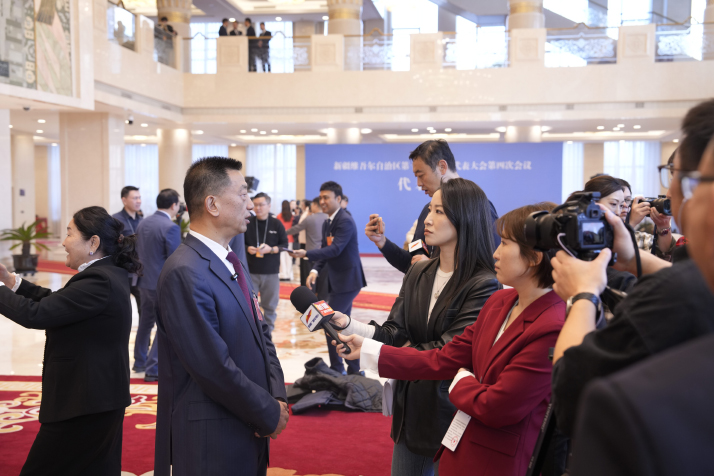 Deputies speak to the media following the opening of this year's session of the Xinjiang Uygur Autonomous Regional People's Congress in Urumqi on January 27 (CHEN JIAJUN)
Every year, usually in March, the Great Hall of the People in Beijing hosts meetings of the National People's Congress and the National Committee of the Chinese People's Political Consultative Conference, China's top legislative and governmental advisory bodies, respectively. Collectively known as the Two Sessions, these meetings make and amend laws, set targets for the coming year, and collect and review government work reports, data and feedback on governance from around the country.
Ahead of these national meetings, local Two Sessions meetings are held at township, county, city, regional and provincial levels, reviewing local economic and social development work, setting new targets, and passing reports and feedback upward. This year's meeting of Xinjiang Uygur Autonomous Regional People's Congress, held in Urumqi from January 27 to 31, gathered some 500 representatives, known as deputies, from around the region. The self-introductory speeches chosen below offer insights into life in Xinjiang, the diversity of experiences among deputies to local people's congresses, and also their common desire to improve the communities they represent. 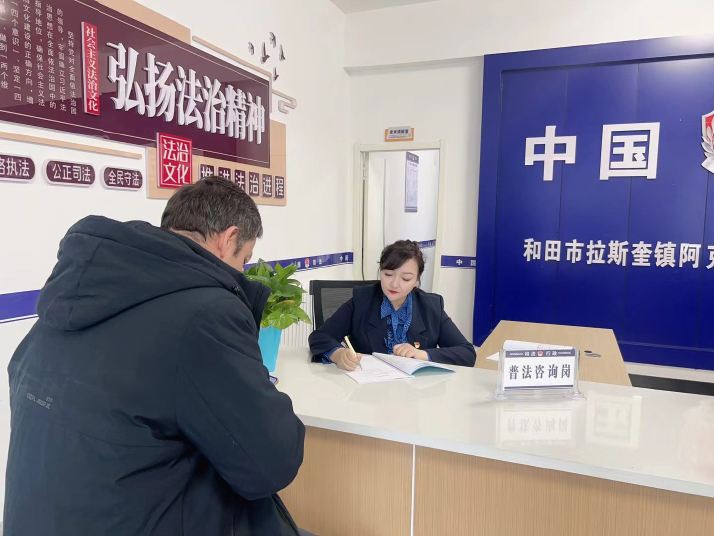 Miriban Kadiri, a lawyer at Xinjiang Zhuancai Law Firm
As a lawyer with 15 years of practice, I have witnessed the remarkable evolution of the rule of law in this region. To put it simply, I see it as a meaningful transition—from governance to good governance. The law ensures equality, regardless of ethnicity, language, or belief. The use of the spoken and written languages of ethnic minorities in judicial activities also demonstrates commitment to the protection of rights and interests. (Xinjiang is one of the provincial-level administrative regions with the most ethnic groups in China—Ed.) Courts in Xinjiang provide interpretation services, and legal documents are delivered in languages understood by the parties involved, ensuring that every individual, regardless of the language they speak, can fully comprehend and participate in judicial proceedings. This, in itself, embodies the rule of law and ethnic equality. China is implementing a nationwide initiative to improve public legal services, further strengthening the work of grassroots legal advisors and implementing the "one village (or one urban community), one legal advisor" system, which aims to provide professional, high-quality, and accessible legal services for grassroots organizations and residents in handling legal matters. Currently, over 600,000 villages (and urban communities) across the country have established legal advisor systems, with approximately 200,000 lawyers and primary-level legal service providers participating in this effort. The coverage of the grassroots-level legal service network in Xinjiang has continued to expand. My firm visits villages and communities regularly to provide free consultations and participate in mediation. In a pastoral village I serve, transportation remains a problem. We take advantage of gatherings among herders to hold lectures in yurts, explaining legal risks related to pastureland contracts, livestock transactions and private lending in language they understand. I have also organized campaigns to raise awareness of the law with colleagues at my law firm. Through providing legal consultations, answering questions, and drafting legal documents, we have addressed the concerns of villagers and enhanced their awareness of protecting their rights. In resolving civil disputes, lawyers play a prominent role in mediation. Many family conflicts, disputes in neighborhoods, and small-scale debt issues are resolved through neutral and professional mediation, avoiding court proceedings. This not only conserves judicial resources but also maintains harmony within grassroots-level communities. 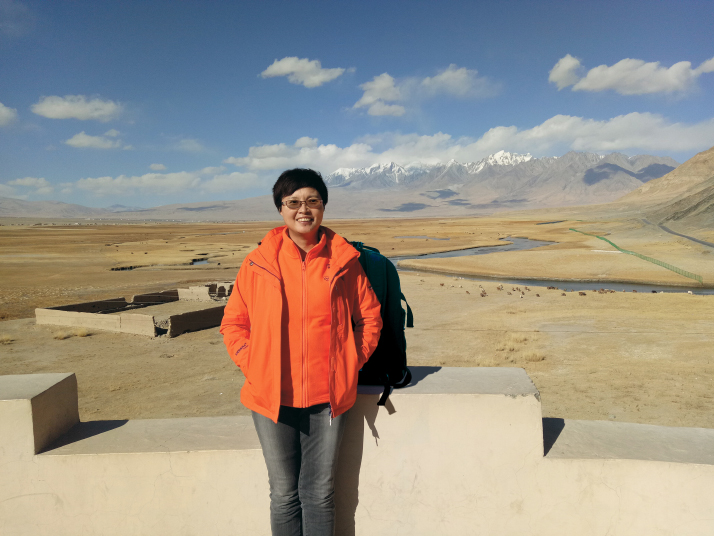 Li Wenying, Deputy Director of Qiuci Academy of Xinjiang Uygur Autonomous Region
I started my career as an archaeological team member and then became a team leader. Over the years, I have participated in or led archaeological surveys and excavations at key sites such as the Kizil Caves, the Jiaohe Ruins, and the Loulan Ancient City Ruins in Xinjiang. A total of 12 of these projects have been listed among China's annual top 10 archaeological discoveries. Archaeological findings reveal the origin and development trajectory of Chinese civilization, its splendid achievements, and its significant contributions to world civilization. This important discourse provides clear direction for my work as a deputy, particularly in the in-depth implementation of major projects under the "Archaeological China" initiative in Xinjiang. My team has collaborated with more than 10 institutions, including Peking University and the National Center for Archaeology, and conducted nearly 80 excavations at 24 key sites in the region. Recent discoveries in Xinjiang are offering a clearer picture of Tang Dynasty (618-907) frontier life. Over 800 wooden slips inscribed with Chinese characters were found in Yuli County, helping to recreate the daily lives of garrison soldiers. Meanwhile, in Kuche (Kuqa), Aksu, the tomb of a deputy commander of the Grand Anxi Frontier Command has been unearthed, providing significant new data for research into the Tang military establishment and its activities along the western frontier. Our work extends beyond research to actively reviving cultural heritage. For instance, we have established the Silk Road and Great Wall Culture Museum in Yuli (2023) and the Qiuci Wei-Jin Period Ancient Tomb Site Museum in Kuche (2024), bringing millennia of regional history directly to local communities. To enrich these institutions, we have systematically transferred over 10,000 unearthed artifacts to museums for public display. This initiative has resonated widely, with museums across the region now attracting over 20 million annual visitors. Ultimately, these efforts have breathed new life into the relics themselves, the broader heritage of the region, and the historical narratives preserved in ancient texts. 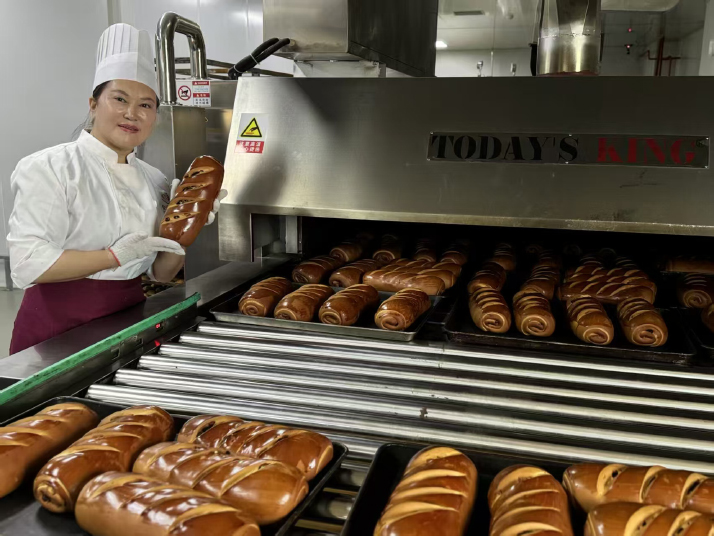 Ma Xinyan, Chairman of Xinjiang Jinpailier Food Co.
As a representative from the private sector, I have worked in the food industry for 33 years. Over that time, I have turned a small shop into a large-scale food production company. Our business now encompasses processing plants, bakery chains, cold chain logistics enterprises, and restaurants serving Western dishes, with products sold across stores in Urumqi and nearly 100 cities nationwide. I have witnessed the rising demand for quality products and quality of life in Xinjiang, and seen the leap in the living standards of people of all ethnic groups here—from having enough to eat to eating well. The history of Xinjiang's food and beverage industry is a story of progress driven by the whole country's reform and opening-up policy introduced in the 1970s. Before the 1970s, food supply relied on allocated quotas, resulting in limited variety of products on people's dining tables. After the launch of the reform and opening-up policy, individual food and beverage businesses mushroomed, and supply chains gradually improved. Today, the central kitchen model and food supply chains are reshaping industrial landscape, enabling Xinjiang's specialty foods to reach people across the country through standardized production. Both my parents and grandparents are skilled at making Xinjiang-style pastries. To preserve the flavors of the pastries, I opened my first 80-square-meter cake shop in 1992 in Urumqi. I often worked from 6 a.m. to midnight, earning the trust of my first customers with freshly baked bread and pastries. To promote Xinjiang's distinctive cuisine, I invested in a two-hectare piece of land to build a factory spanning over 10,000 square meters. Equipped with automated production lines, the facility now achieves a daily output more than 10 times that of previous years. Today, the products are distributed nationwide via cold chain logistics, allowing more consumers to savor the unique flavor of Xinjiang-style rye bread. As a deputy to the National People's Congress, I have taken the initiative in exploring new paths for foreign trade based on my practical experience in this industry. We have formulated a specialized quality standard for export products, promoted the establishment of Xinjiang bakery food export alliance and bolstered the confidence of small and medium-sized businesses to jointly go global. In recent years, we have not only established production process standards for our rye bread, enabling traditional techniques to achieve scalable industrial production, but also remained committed to preserving cultural heritage. In 2018, our nut rye bread making technique was listed as an intangible cultural heritage at the county level. While retaining the essence of traditional yeast fermentation techniques, we innovatively incorporated ingredients such as chickpeas, walnuts, and raisins—all sourced from Xinjiang—to develop 12 new flavors. 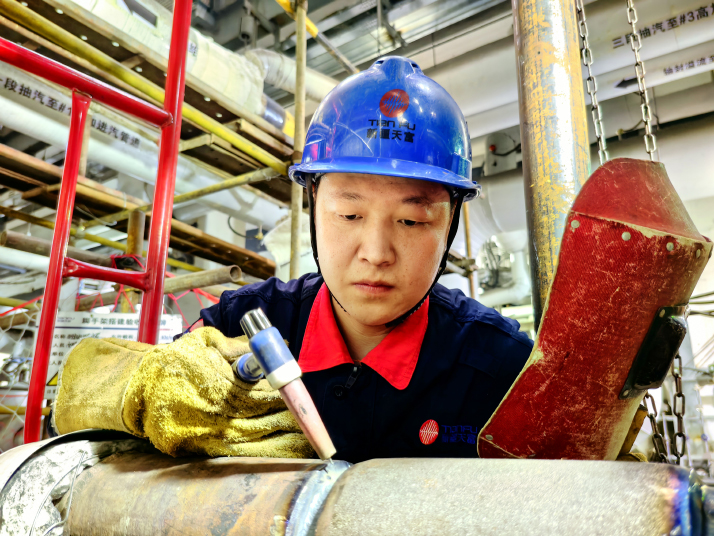 Liu Zhuangzhuang, a welding technician with Xinjiang Production and Construction Corps (XPCC) Born and raised in Xinjiang, I am a third-generation member of the XPCC. (Since its establishment in 1954, the XPCC has made contributions to the development of Xinjiang by supporting agricultural and industrial development, maintaining social stability, and strengthening national border defense—Ed.) When I first entered the factory, I was a trainee who couldn't even hold a welding torch steadily. It was the skilled mentors who taught me step by step. Today, I have grown to become a welding expert. Our company even established an innovation studio named after me to honor my contributions as a model worker. I have trained over 100 intermediate and senior welders, providing solid support for the company's future technical workforce. Comments to ffli@cicgamericas.com |
|
||||||||||||||||||||||||||||
|